
Review Your Denial Letter
We identify why your claim was denied and what needs to be improved.

Many claims are denied the first time. We help you appeal and move forward.

Being denied disability benefits can feel frustrating and overwhelming. Many applicants receive a denial on their first attempt — often due to missing information, incomplete documentation, or technical issues. A denial does not mean you don’t qualify. It simply means your case may need stronger support.
Why Disability Claims Get Denied:
Understanding why your claim was denied is the first step toward building a stronger case.


You have the right to appeal your denial within a limited time frame. Submitting additional evidence can strengthen your medical and supporting documentation and improve your chances of success. Working with a disability law firm can also help ensure your case is properly prepared and presented. This is all part of the appeals process:

A new reviewer evaluates your claim along with any additional evidence you submit.
This is your first opportunity to correct or strengthen your application after a denial.
If your claim is denied again, you can request a hearing before an Administrative Law Judge.
At this stage, you can present your case, provide new evidence, and explain how your condition affects your ability to work.
If the judge denies your claim, you may request a review by the Appeals Council.
They will examine your case for legal or procedural errors and may approve, deny, or return it for further review.
If necessary, you can take your case to federal court.
This step involves a more formal legal review and is typically pursued with the guidance of an experienced disability attorney.


You can appeal the decision. A denial is common and does not mean you are not eligible. Reviewing the reason for denial and strengthening your case is the next step.
You typically have 60 days from the date of your denial letter to file an appeal. It’s important to act quickly to avoid missing this deadline.
Common reasons include insufficient medical evidence, incomplete applications, or errors in documentation. These issues can often be corrected during the appeal.
Yes. Many claims are approved during the appeals process, especially when additional evidence and proper documentation are provided.
While not required, working with a lawyer can help identify issues in your case, strengthen your appeal, and improve your chances of approval.


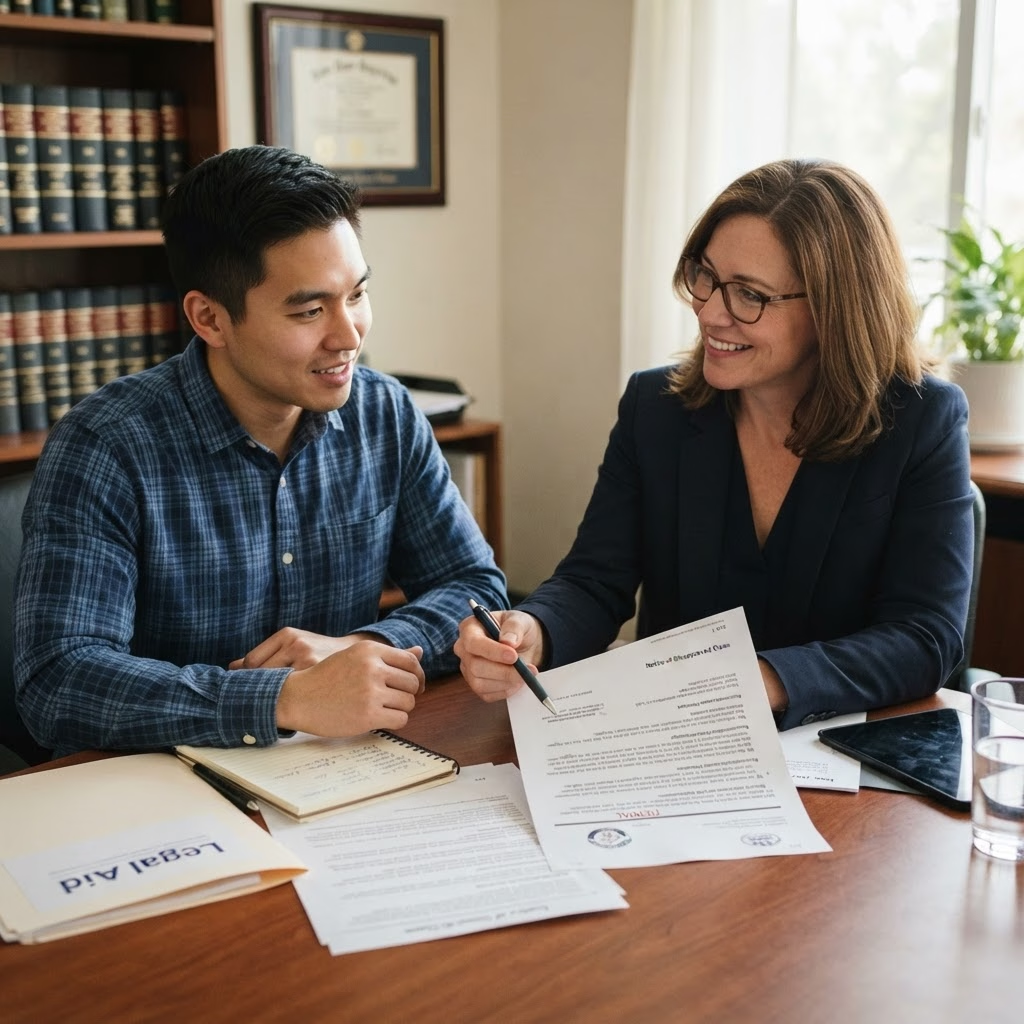







Every initial application undergoes thorough review.