
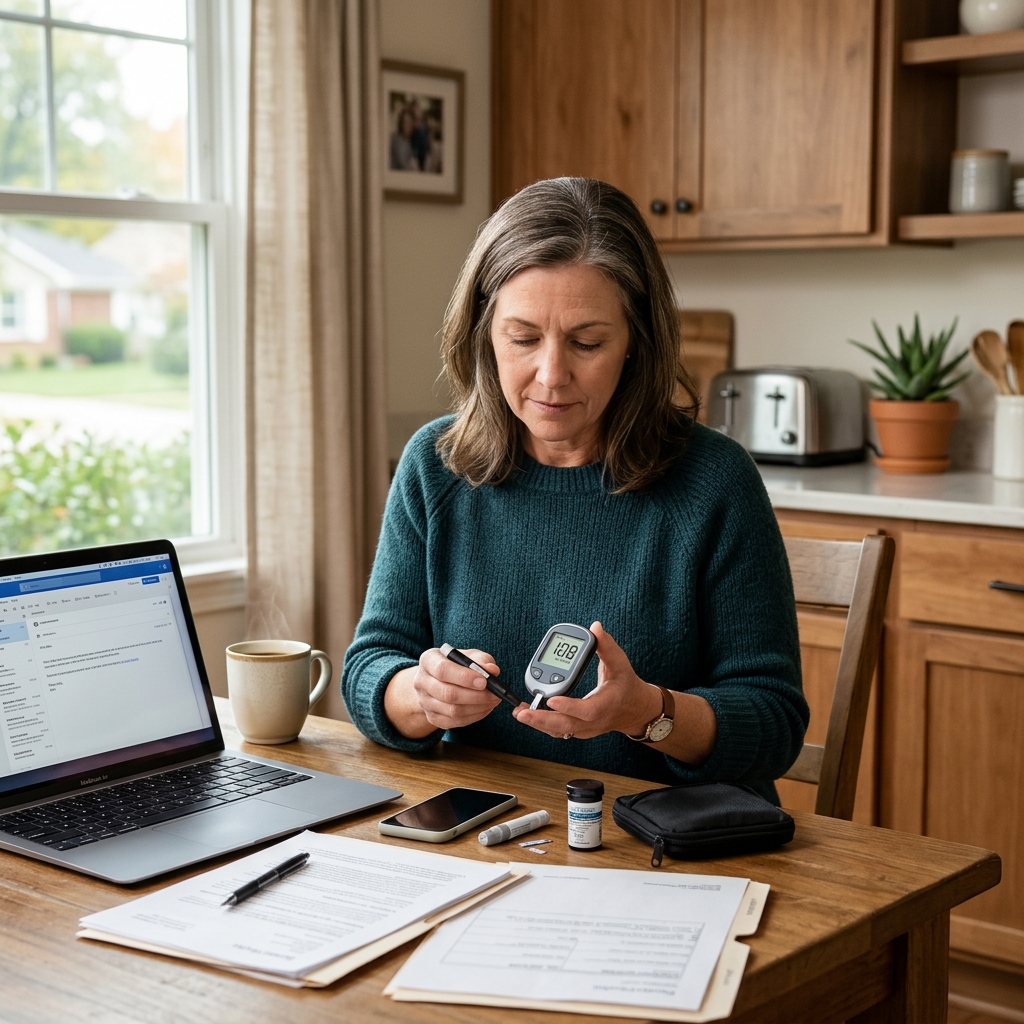
Living with diabetes takes daily work. For some people, it eventually leads to complications that make it hard or impossible to keep working. If that’s where you are, you may be wondering whether you can get Social Security Disability Insurance (SSDI).
The answer depends less on the diabetes diagnosis itself and more on how it affects your body and your ability to work. Here’s how the Social Security Administration (SSA) evaluates diabetes, which complications it looks for, and how to build a stronger claim.
Is Diabetes on Social Security’s List of Impairments?
Not as a stand-alone condition for adults. According to Social Security Ruling 14-2p, “DM [diabetes mellitus] is not a listed impairment for adults.” Instead, SSA evaluates diabetes based on the body systems it affects. If a diabetes-related complication meets or medically equals a listing in another body system, it can qualify.
The Complications SSA Looks For
SSA’s endocrine disorders listing (9.00) explains that diabetes complications are evaluated under other parts of its “Blue Book.” Here are the main ones:
Neuropathy (Nerve Damage), Listing 11.00
Diabetic neuropathy can cause pain, numbness, and weakness in the hands and feet. SSA evaluates peripheral neuropathy under listing 11.14. Generally, it requires either:
- Disorganized motor function in two extremities, causing an extreme limitation in your ability to stand up from a seated position, balance while standing or walking, or use your arms, or
- A marked limitation in physical functioning plus a marked limitation in one area of mental functioning, such as concentrating, persisting, or maintaining pace.
Vision Loss (Diabetic Retinopathy), Listing 2.00
Diabetes can damage the blood vessels in the eyes. SSA evaluates vision loss under its special senses listings. For example, listing 2.02 covers loss of central visual acuity when the remaining vision in your better eye after best correction is 20/200 or less. Listing 2.03 covers a significantly narrowed visual field.
Other Complications SSA Considers
According to SSA’s endocrine listing, long-term high blood sugar can lead to complications evaluated under these body systems:
- Amputation due to peripheral neurovascular disease and gangrene (1.00, musculoskeletal)
- Coronary artery and peripheral vascular disease (4.00, cardiovascular)
- Gastroparesis (5.00, digestive)
- Nephropathy (kidney disease) (6.00, genitourinary)
- Poorly healing skin infections (8.00, skin)
- Cognitive problems, depression, and anxiety (12.00, mental disorders)
SSA also considers severe hypoglycemia, which can cause seizures, loss of consciousness, or changes in mental status, and diabetic ketoacidosis, which SSR 14-2p notes can be life-threatening.
What If You Don’t Meet a Listing?
Many people don’t meet a listing exactly, but that doesn’t mean they can’t qualify. SSR 14-2p explains that SSA also assesses your residual functional capacity (RFC), which is “the most an adult can do despite his or her limitation(s).” SSA considers symptoms like fatigue or trouble concentrating as part of that assessment.
SSA then follows its five-step process, described on its eligibility page, to decide whether your condition prevents you from doing your past work or adjusting to other work, considering your age, education, experience, and skills.
Basic SSDI Requirements Still Apply
According to the SSA:
- You must be unable to work at a substantial level. For 2026, earning more than $1,690 a month generally counts as substantial gainful activity.
- Your condition must last at least a year or be expected to result in death.
- You need enough work credits. Most people need 40 credits, with 20 earned in the 10 years before the disability began.
Building a Stronger Diabetes Claim
SSR 14-2p states that a medically determinable impairment “must be established by medical evidence consisting of signs, symptoms, and laboratory findings.” Symptoms alone aren’t enough. To support your claim:
- See your doctors regularly and follow your treatment plan.
- Keep records of complications, such as nerve testing, eye exams, kidney function tests, and wound care.
- Ask your providers to document your limitations, such as how long you can stand, walk, or concentrate.
- Track hospital visits for episodes like severe low blood sugar or ketoacidosis.
Denied? You Can Appeal
Many SSDI claims are denied the first time. Learn why so many SSDI claims are denied and how to appeal a denied claim. You generally have 60 days from the date you receive a denial to file an appeal. If your case goes to a hearing, our hearing representation team can help.
Talk to POAG Disability Law
POAG Disability Law helps people with SSDI and SSI claims from our office in Evansville, Indiana, and represents clients nationwide. Start with a free disability case review. Call 1-812-777-0065 or toll-free 888.POAG.LAW, or contact us.
Frequently Asked Questions
Possibly. Diabetes isn’t a stand-alone listing for adults, but SSA evaluates its complications, like neuropathy, vision loss, kidney disease, and amputation, under other body systems.
It can, if it meets listing 11.14 or limits your ability to work enough. SSA looks at how it affects your ability to stand, balance, walk, or use your arms, among other factors.
Under listing 2.02, remaining vision in your better eye after best correction of 20/200 or less can qualify. Visual field loss is evaluated under listing 2.03.
SSA can still find you disabled based on your residual functional capacity: what you can still do despite your limitations, along with your age, education, and work experience.
SSA requires medical evidence of signs, symptoms, and laboratory findings. Records of complications, test results, and doctor statements about your limitations are important.
You generally have 60 days from the date you receive a denial to appeal.
This article is for general information only and is not legal advice. Every claim is different. Contact a disability attorney to discuss your situation.