
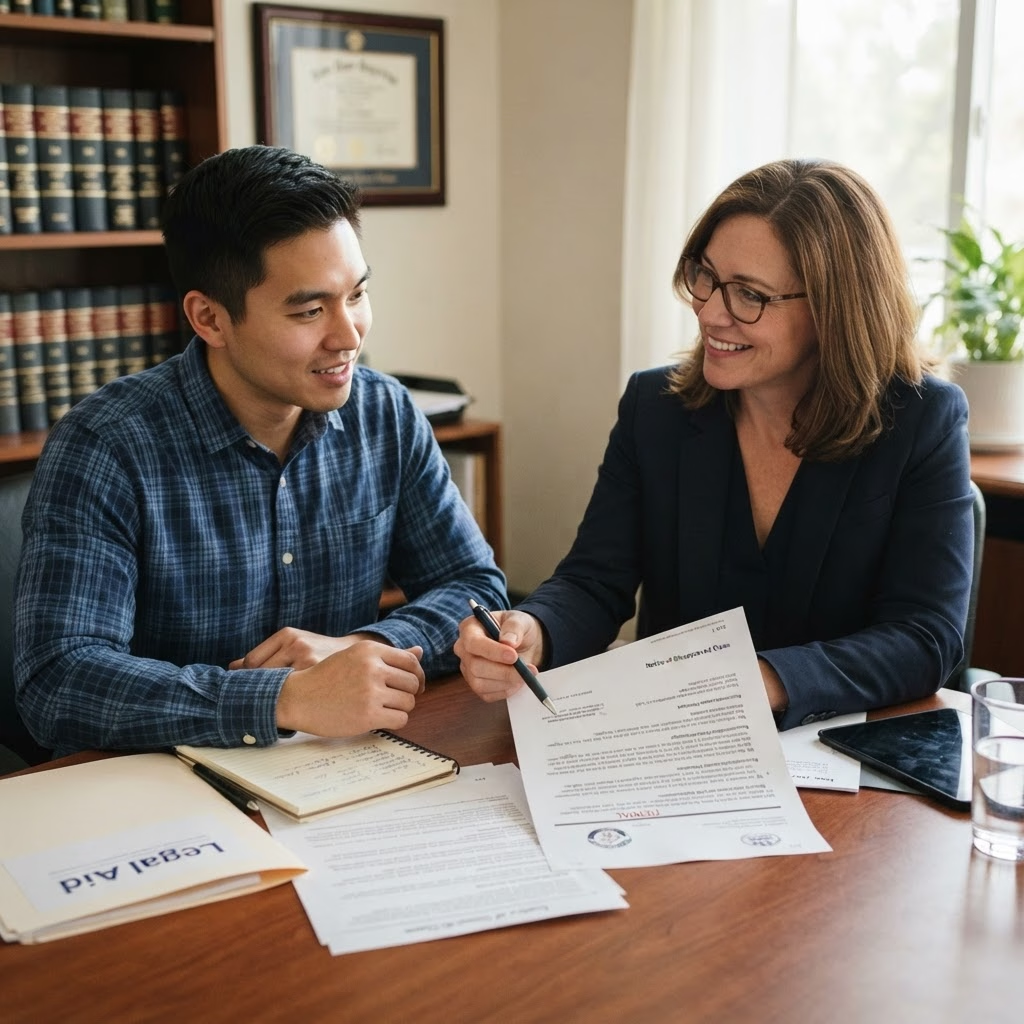
Receiving a denial letter for your Social Security Disability Insurance (SSDI) claim can feel like the end of the road. It’s not. The truth is that many initial claims are denied, and Social Security has a formal, multi-step appeals process specifically designed to give you additional opportunities to prove your case.
At Poag Disability Law, we help clients navigate every stage of that process. Here’s a clear explanation of the four levels of appeal, so you know exactly what your options are.
First: Don’t Miss Your Deadline
Before anything else, understand this: you generally have 60 days from the date you receive a denial to file your appeal at each level. Missing that window can force you to start over with a brand-new application, so acting quickly is critical.
If your claim has been denied, learn how we can help here:
https://poagdisability.com/denied-disability-claim/
Level 1: Reconsideration
The first level of appeal is called Reconsideration. According to the Social Security Administration, this is a complete review of your claim by someone who did not take part in the original decision. They’ll look at all the evidence submitted originally, plus any new evidence you provide.
Because reconsideration is another paperwork-based review, strengthening your file with updated medical records and additional evidence is essential at this stage.
Level 2: Hearing by an Administrative Law Judge
If your reconsideration is denied, the next level is a hearing before an Administrative Law Judge (ALJ), an independent judge who was not involved in the first two decisions.
For many claimants, this is the most important stage, because it’s the first time you can present your case in person (or by video or phone) and answer a judge’s questions directly. The judge may also hear from vocational or medical experts. Having representation to prepare your case and question expert witnesses can make a significant difference here.
Learn about our hearing representation here:
https://poagdisability.com/hearing-representation/
Level 3: Appeals Council Review
If the ALJ denies your claim, you can ask the Social Security Appeals Council to review the decision. The Appeals Council may:
- Deny the request for review (if it finds the ALJ’s decision was correct)
- Review the case and issue its own decision
- Return the case to an ALJ for a new hearing
The Appeals Council focuses on whether the hearing decision was made correctly under Social Security’s rules, rather than simply re-deciding your case from scratch.
Level 4: Federal Court Review
The final level of appeal is filing a civil lawsuit in a U.S. District Court. At this stage, a federal judge reviews whether Social Security applied the law correctly in your case. This is the most formal and complex level of the process, and legal representation is especially important here.
For a complete overview of all four levels, the Social Security Administration’s official appeals page is an authoritative resource:
https://www.ssa.gov/apply/appeal-decision-we-made
You Don’t Have to Navigate the Appeals Process Alone
A denial is discouraging, but it is not the end. Each level of appeal is another opportunity to present your case, and many claimants succeed on appeal, particularly at the hearing stage. The key is meeting your deadlines and building the strongest possible case at every step.
With over 20 years of experience and nationwide representation, Poag Disability Law helps clients through every level of the SSDI appeals process.
Learn more about our appeals representation here:
https://poagdisability.com/disability-appeals-lawyer/
Or contact us for a free consultation:
https://poagdisability.com/contact-us/
Frequently Asked Questions
You generally have 60 days from the date you receive your denial notice to file an appeal at each level. Missing this deadline may require you to start over with a new application, so it’s important to act promptly.
The four levels are: Reconsideration, a hearing before an Administrative Law Judge, review by the Appeals Council, and finally a review in Federal Court. You may not need to go through every level.
Yes. Many initial claims are denied, and the appeals process exists specifically to give you further opportunities to prove your case. Many claimants are successful on appeal, especially at the hearing stage.
You are not required to have one, but representation can be valuable, particularly at the hearing and federal court levels, where preparing evidence and questioning expert testimony can significantly affect the outcome.